60% OFF en Stock Limitado  Ver más

Enviar a
Quito, Pichincha
0
  • argentina
  • chile
  • colombia
  • españa
  • méxico
  • perú
  • estados unidos
  • internacional

Selecciona tu país

América

Europa

Resto del mundo

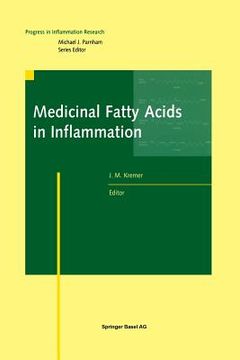
portada Medicinal Fatty Acids in Inflammation (en Inglés)
Formato
Libro Físico
Editorial
Idioma
Inglés
N° páginas
148
Encuadernación
Tapa Blanda
Dimensiones
23.4x15.6x0.9 cm
Peso
0.24 kg.
ISBN13
9783034897884

Medicinal Fatty Acids in Inflammation (en Inglés)

Kremer, J. (Autor) · Birkhauser · Tapa Blanda

Medicinal Fatty Acids in Inflammation (en Inglés) - Kremer, J.

Libro Nuevo Importado
Envío: 16 a 23 días háb.
$ 218.24$ 109.12
-50%
Costos de importación incluídos en el precio ✅
Libro Nuevo

Quedan más de 100 unidades

$ 109.12
Llega entre el 15 Sep y el 28 Sep a Quito, Pichincha. Seleccionar ubicación

Reseña del libro "Medicinal Fatty Acids in Inflammation (en Inglés)"

This volume of Progress in Inflammation Research is a unique compilation of work performed by a wide spectrum of investigators from different medical disciplines. It is fascinating that dietary alterations of fatty acid intake can result in a range of salutory changes in a great variety of medical conditions. Most of the good scien- tific work which has led to these observations has been performed over just the last two decades. This is of course not a very long time in the context of the history of the human species. Recently performed analysis of fat intake from paleolithic times has indicated that our hunter-gatherer ancestors consumed as much cholesterol as modern Western man, but strikingly less saturated fatty acid and more polyunsatu- rates, including n-3 fatty acids. Wild game has the terrestrial source of n-3 incorpo- rated in its fat since browsing animals derive 18:3n-3 (alpha-linolenic acid) natural- ly from leafy plants. There is, however, little opportunity for modern Western man to get n-3 fatty acids from the diet if one does not consume fish. Modern agribusiness provides ani- mal feeds high in n-6 fatty acids, mostly derived from linoleic acid (18:2n-6) in corn feed. Therefore, grazing animals have no access to alternative fatty acids in either feed or grasses, the latter containing little or none of these potentially beneficial highly polyunsaturated fatty acids.

Opiniones del libro

Preguntas frecuentes sobre el libro

Todos los libros de nuestro catálogo son Originales.
El libro está escrito en Inglés.
La encuadernación de esta edición es Tapa Blanda.

Preguntas y respuestas sobre el libro

¿Tienes una pregunta sobre el libro? Inicia sesión para poder agregar tu propia pregunta.

Opiniones sobre Buscalibre

Ver más opiniones de clientes