B-Days hasta 60% dto  Ver más

Enviar a
Quito, Pichincha
0
  • argentina
  • chile
  • colombia
  • españa
  • méxico
  • perú
  • estados unidos
  • internacional

Selecciona tu país

América

Europa

Resto del mundo

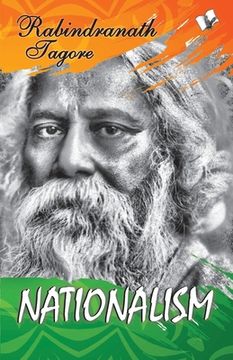
portada Nationalism (en Inglés)
Formato
Libro Físico
Idioma
Inglés
N° páginas
90
Encuadernación
Tapa Blanda
Dimensiones
21.6x14x0.5 cm
Peso
0.11 kg.
ISBN13
9789357943444

Nationalism (en Inglés)

Rabindranath Tagore (Autor) · V & S Publisher · Tapa Blanda

Nationalism (en Inglés) - Rabindranath Tagore

Libro Nuevo Importado
Envío: 16 a 22 días háb.
$ 42.45$ 21.23
-50%
Costos de importación incluídos en el precio ✅
Libro Nuevo

Quedan 50 unidades

$ 21.23
Llega entre el 17 Sep y el 29 Sep a Quito, Pichincha. Seleccionar ubicación

Reseña del libro "Nationalism (en Inglés)"

Nationalism is a collection of lectures delivered by Rabindranath Tagore in Japan, in 1916. This collection is divided into three essays: Nationalism in Japan, Nationalism in the West, and Nationalism in India. During the time when these lectures were delivered, the First World War was unfolding. Tagore's lectures critiquing nationalism led to a mixed response. The lectures critique the concepts of nation and nationalism that turn men and women away from their self-sacrificing and creative nature. Tagore cautions us against aggressive imperialistic tendencies of nationalism found in the West and Japan. He proposes an alternate definition of nationalism for India-one that is shaped through the works of medieval mystics, poets and spiritual figures, such as Guru Nanak, Sant Kabir Das, and Chaitanya Mahaprabhu. Tagore's thoughts on nation and nationalism bore a lasting influence on Mahatma Gandhi and Jawaharlal Nehru. Interestingly, Tagore criticized Gandhi's Non-cooperation Movement as narrow, and dangerous. In his infamous meeting with Gandhi in 1921, he focused on India's hospitality and the country's potential to contribute towards creating a more united world. These discussions helped Gandhi rework the meaning of nationalism. Tagore's ideas on diversity and inclusivity went on to help Nehru shape up his vision of India as a synthesis between tradition and modernity.
Rabindranath Tagore
  (Autor)
Ver Página del Autor
Rabindranath Tagore (Calcuta, India, 7 de mayo de 1861 – Santiniketan, 7 de agosto de 1941) fue un poeta, filósofo, músico, novelista, dramaturgo y educador bengalí, considerado una de las figuras literarias más influyentes de la India moderna y del mundo. Hijo de una familia culta y prominente, Tagore recibió una educación rica en literatura, arte y pensamiento oriental y occidental. Fue el primer escritor no europeo en ganar el Premio Nobel de Literatura en 1913, por su obra Gitanjali (“Ofrenda lírica”), un conjunto de poemas espirituales y filosóficos.

Tagore escribió en bengalí e inglés, y abordó temas como el amor, la espiritualidad, la libertad y la identidad cultural. Su obra abarca más de mil poemas, novelas, cuentos cortos, canciones y ensayos. Compuso la letra de los himnos nacionales de la India (Jana Gana Mana) y de Bangladesh (Amar Shonar Bangla), lo que destaca su influencia cultural y política.

Además, fundó la escuela y universidad Visva-Bharati, con un enfoque humanista y universalista. Tagore viajó ampliamente, promoviendo el diálogo intercultural y criticando el colonialismo. Su legado combina arte, pedagogía y espiritualidad, y sigue siendo fuente de inspiración para generaciones de lectores y pensadores.
Ver más
Ver menos

Opiniones del libro

Preguntas frecuentes sobre el libro

Todos los libros de nuestro catálogo son Originales.
El libro está escrito en Inglés.
La encuadernación de esta edición es Tapa Blanda.

Preguntas y respuestas sobre el libro

¿Tienes una pregunta sobre el libro? Inicia sesión para poder agregar tu propia pregunta.

Opiniones sobre Buscalibre

Ver más opiniones de clientes