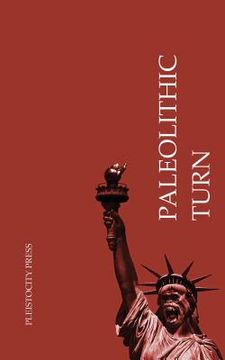
Reseña del libro "Paleolithic Turn (en Italiano)"
Tra civiltà e apocalisse, tra decadenza e progresso, c'è un'isola-che-non-c'è, un "prima" e un "dopo" che spaventa o che inspiegabilmente attrae. Gli storici lo chiamano Preistoria, gli ambientalisti Wilderness, i filosofi Utopia, ma più che uno spazio nel tempo o un tempo nello spazio è un modo di vedere il mondo per intuizioni, per lampeggiamenti, un sistema incoerente di visioni e d'idee che aiuta a pensare l'adesso-qui. Questo "paradigma Pleistocene", da Giordano Bruno a Paul Shepard, da Lascaux a Keith Haring, attraversa in modo trasversale il pensiero scientifico, filosofico, religioso, emerge nell'arte e nelle abitudini alimentari, e si riassume in un'idea indimostrabile: noi siamo chi eravamo, fatti per muoverci e per stare fuori, siamo memoria genetica e incarnazione attuale dell'uomo del Paleolitico, i nostri gesti, i nostri processi cognitivi sono abitati dai suoi. Mobilità, leggerezza, manualità, ricerca dell'essenziale, materiali primari, comunità, racconto: le tracce di questa presenza visionaria nella cultura ufficiale sono ovunque, sono positive, sono necessarie, per sopravvivere al bordo di ogni mappa, per immaginare qualcosa al di là del muro. Between civilization and apocalypse, between decadence and progress, there lies a never-never land, a "before" and an "after" that frightens or inexplicably attracts us. Historians call it Prehistory, environmentalists Wilderness, philosophers Utopia, but more than a space in time or a time in space, it is a way of seeing the world through intuition, in flashes, an incoherent system of visions and ideas that helps us to think about the here and now. This "Pleistocene paradigm", from Giordano Bruno to Paul Shepard, from Lascaux to Keith Haring, cuts across scientific, philosophical and religious thought, emerges in art and in eating habits, and can be summed up in one un-demonstrable idea: we are who we once were, made for being on the move and being outside, we are genetic memory and the current incarnation of Paleolithic humans, our gestures and cognitive processes are inhabited by theirs. Mobility, lightness, dexterity, the quest for the essential, raw materials, community, storytelling: the traces of this visionary presence are ubiquitous in official culture; they are not only an asset, but also necessary for surviving on the edge of any map, for imagining something beyond the wall.