B-Days hasta 60% OFF en Stock Limitado  Ver más

Enviar a
Quito, Pichincha
0
  • argentina
  • chile
  • colombia
  • españa
  • méxico
  • perú
  • estados unidos
  • internacional

Selecciona tu país

América

Europa

Resto del mundo

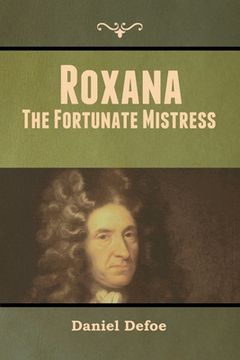
portada Roxana: The Fortunate Mistress (en Inglés)
Formato
Libro Físico
Idioma
Inglés
N° páginas
286
Encuadernación
Tapa Blanda
Dimensiones
22.9x15.2x1.8 cm
Peso
0.35 kg.
ISBN13
9781647999377

Roxana: The Fortunate Mistress (en Inglés)

Daniel Defoe (Autor) · Bibliotech Press · Tapa Blanda

Roxana: The Fortunate Mistress (en Inglés) - Daniel Defoe

Libro Nuevo Importado
Envío: 17 a 23 días háb.
$ 50.86$ 25.43
-50%
Costos de importación incluídos en el precio ✅
Libro Nuevo

Quedan 50 unidades

$ 25.43
Llega entre el 23 Sep y el 05 Oct a Quito, Pichincha. Seleccionar ubicación

Reseña del libro "Roxana: The Fortunate Mistress (en Inglés)"

Roxana: The Fortunate Mistress (full title: The Fortunate Mistress: Or, A History of the Life and Vast Variety of Fortunes of Mademoiselle de Beleau, Afterwards Called the Countess de Wintselsheim, in Germany, Being the Person known by the Name of the Lady Roxana, in the Time of King Charles II) is a 1724 novel by Daniel Defoe. The novel examines the possibility of eighteenth-century women owning their own estate despite a patriarchal society, as with Roxana's celebrated claim that "the Marriage Contract is ... nothing but giving up Liberty, Estate, Authority, and everything, to the Man". The novel further draws attention to the incompatibility between sexual freedom and freedom from motherhood: Roxana becomes pregnant many times due to her sexual exploits, and it is one of her children, Susan, who come back to expose her, years later, near the novel's close, helping to precipitate her flight abroad, subsequent loss of wealth, and (ambiguous) repentance.The character of Roxana can be described as a proto-feminist because she carries out her actions of prostitution for her own ends of freedom but before a feminist ideology was fully formed, (though Defoe also works to undercut the radicalism of her position). The book also explores the clash of values between the Restoration court and the middle-class. Roxana also discusses the issues of truth and deceit. As the text is a first-person narration and written to simulate a real first-hand account of a woman, first comes the issue of subjectivity, but also the underlying lie as to the veracity of the text. The reader can only trust in Roxana to give us a true account of her story, but as she often lies to other characters in the book, and even to herself, she is not a reliable narrator. Furthermore, the whole construction of her character is made on lies and disguises. Her name, or names, are not mentioned until the end of the novel, so even the most basic aspect of her identity--her name--is a mystery for the majority of the novel. And the name that is most associated to her: Roxana, is based on a lie and on a disguise, namely the Turkish dress. Published anonymously, and not attributed to Defoe till 1775, Roxana was nonetheless a popular hit in the eighteenth century, frequently reprinted in altered versions to suit the taste of the day: thus the 1775 edition, which called itself The New Roxana, had been sentimentalised to meet the tastes of the day. Only gradually from the 19th century onwards did the novel begin to be treated as serious literature: Ethel Wilson has been one of the 20th century authors subsequently influenced by its matter-of-factness and freedom from cant. (wikipedia.org)
Daniel Defoe
  (Autor)
Ver Página del Autor
Escritor y periodista inglés, Daniel Defoe es conocido principalmente por su novela Robinson Crusoe (1719), aunque también destacó por su papel en el desarrollo de la prensa y por sus ensayos políticos y sociales.

Defoe abandonó sus estudios para convertirse en un discreto hombre de negocios, cuyas actividades no acabaron de resultar rentables, recibiendo incluso pena de prisión por sus deudas.

Es a partir de 1695, tras varios años de exilio por su ideología política, que comienza un nuevo negocio dedicado a tejas y a ladrillos que comienza a funcionar proporcionándole a su familia —estaba casado y tenía seis hijos— una mayor estabilidad económica.

Sin embargo, su activismo político le lleva a publicar varios ensayos o panfletos que le cuestan días de reclusión y de picota. Tras volver a la cárcel, Defoe pasa a trabajar desde una revista apoyando a facciones políticas del gobierno, participando en los servicios secretos ingleses.

En 1719 publica su gran novela, Robinson Crusoe, que le permite lanzarse a una carrera literaria jalonada de éxitos como Las aventuras del capitán Singleton, Diario del año de la peste o Moll Flanders. Su popularidad creció y su influencia en posteriores generaciones de escritores al potenciar el género novelístico es notable.

Pese a todo su éxito y sus relaciones con el gobierno, Defoe nunca logró una solvencia económica estable durante mucho tiempo. Su muerte en 1731 se dio mientras huía de nuevos acreedores.
Ver más
Ver menos

Opiniones del libro

Preguntas frecuentes sobre el libro

Todos los libros de nuestro catálogo son Originales.
El libro está escrito en Inglés.
La encuadernación de esta edición es Tapa Blanda.

Preguntas y respuestas sobre el libro

¿Tienes una pregunta sobre el libro? Inicia sesión para poder agregar tu propia pregunta.

Opiniones sobre Buscalibre

Ver más opiniones de clientes