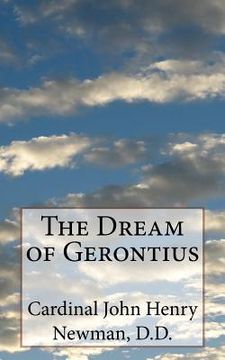
Reseña del libro "The Dream of Gerontius (en Inglés)"
Excerpt: Virtue and vice, A knave's pretence. 'Tis all the same; Ha! ha! Dread of hell-fire, Of the venomous flame, A coward's plea. Give him his price, Saint though he be, Ha! ha! From shrewd good sense He'll slave for hire; Ha! ha! And does but aspire To the heaven above With sordid aim, Not from love. Ha! ha! SOUL. I see not those false spirits; shall I see My dearest Master, when I reach his throne? Or hear, at least, his awful judgment-word With personal intonation, as I now Hear thee, not see thee, angel? Hitherto All has been darkness since I left the earth; Shall I remain thus sight-bereft all through My penance-time? if so, how comes it then That I have hearing still, and taste, and touch, Yet not a glimmer of that princely sense Which binds ideas in one, and makes them live? ANGEL. Nor touch, nor taste, nor hearing hast thou now; Thou livest in a world of signs and types, The presentations of most holy truths, Living and strong, which now encompass thee. A disembodied soul, thou hast by right No converse with aught else beside thyself; But, lest so stern a solitude should load And break thy being, in mercy are vouchsafed Some lower measures of perception, Which seem to thee, as though through channels brought, Through ear, or nerves, or palate, which are gone. And thou art wrapped and swathed around in dreams, Dreams that are true, yet enigmatical; For the belongings of thy present state, Save through such symbols, come not home to thee. And thus thou tell'st of space and time and size, Of fragrant, solid, bitter, musical, Of fire, and of refreshment after fire; As (let me use similitude of earth, To aid thee in the knowledge thou dost ask)- As ice which blisters may be said to burn. Nor hast thou now extension, with its parts Correlative, -long habit cozens thee, - Nor power to move thyself, nor limbs to move. Hast thou not heard of those, who after loss Of hand or foot, still cried that they had pains In hand or foot, as though they had it still? So is it now with thee, who hast not lost Thy hand or foot, but all which made up man. So will it be, until the joyous day Of resurrection, when thou wilt regain All thou hast lost, new-made and glorified.- -How, even now, the consummated saints See God in heaven, I may not explicate: - Meanwhile let it suffice thee to possess Such means of converse as are granted thee, Though till the beatific vision thou art blind; For e'en thy purgatory, which comes like fire, Is fire without its light. Blessed John Henry Cardinal Newman's longest Catholic Poem of a man who dies and journeys to heaven with Demons and Angels conversing.
John Henry Newman (1801–1890) fue un teólogo, poeta y cardenal inglés, reconocido por su influencia en la vida intelectual y religiosa del siglo XIX. Nacido en Londres, se formó en Oxford, donde se convirtió en figura central del Movimiento de Oxford, que buscaba revitalizar la espiritualidad de la Iglesia Anglicana.
En 1845, tras una profunda reflexión teológica, se convirtió al catolicismo, lo que marcó un hito en su vida y en el pensamiento religioso británico. Fue ordenado sacerdote católico en 1847 y más tarde fundó el Oratorio de San Felipe Neri en Birmingham. En 1879, el papa León XIII lo creó cardenal, reconociendo su contribución a la teología y a la educación.
Newman defendió la importancia de la conciencia individual en la fe y escribió obras influyentes como Apología pro Vita Sua y The Idea of a University. Fue canonizado por el papa Francisco en 2019, siendo venerado como San John Henry Newman.
Ver más
Ver menos