Compartir
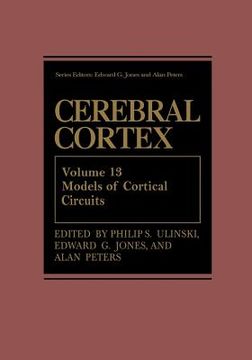
Cerebral Cortex: Models of Cortical Circuits (en Inglés)
Ulinski, Philip S. (Autor)
·
Springer
· Tapa Blanda
Cerebral Cortex: Models of Cortical Circuits (en Inglés) - Ulinski, Philip S.
Libro Nuevo
Importado
Envío: 16 a 23 días háb.
$ 356.51$ 178.26
Costos de importación incluídos en el precio ✅
Reseña del libro "Cerebral Cortex: Models of Cortical Circuits (en Inglés)"
Thisisthefirstvolumeinthe CerelJral Cortexseriesdevotedtomathematicalmodels ofthecortex. Itwasmotivatedbytherealizationthatcomputationalmodelsof individualneuronsandensemblesofneuronsareincreasinglyusedinresearchon corticalorganizationandfunction. Thisis, inpart, becauseofthenowubiquitous presenceofpowerfulandaffordablecomputers. Suitablemachineswereformerly rareinresearchlaboratoriesandrequiredsubstantialprogrammingexpertisetobe usedinconstructingandusingneuronalmodels. However, computersarenow routinelyusedinallareasofneurobiologyandanumberofsoftwarepackagesallow scientistswithminimalcomputerscienceandmathematicalbackgroundstocon- structseriousneuronalmodels. Asecondfactorleadingtotheproliferationof modelingstudiesisthedevelopmentoftechnologiesthatallowthekindsofdata collectionneededtodeveloprealisticmodelsofcorticalneurons. Characterization ofthekineticsofvoltage-andligand-gatedchannelsandreceptorshadbeenlim- itedtorelativelylargeneurons. However, therapiddevelopmentofsliceprepara- tions, patch-clampmethods, andimagingmethodsbasedonvoltage-sensitivedyes andintracellularcalciumindicatorshasresultedinasignificantdatabaseonthe biophysicalfeaturesofcorticalneurons.Thescopeofmodelingapproachestocorticalneuronsandfunctionsiswide anditseemednecessarytolimitthepurviewofthevolume. Thefocusisonattempts tounderstandthepropertiesofindividualcorticalneuronsandneuronalcircuitry throughmodelsthatincorporatesignificantfeaturesofcellularmorphologyand physiology. Noattemptwasmadetoincludemodelingapproachestounderstanding corticaldevelopmentandplasticity. Thus, workdealingwiththedevelopmentof oculardominancecolumnsandtheorientationselectivityofneuronsinvisualcortex isnotconsidered. Similarly, modelsdealingwiththecellularmechanismsunderlying long-termplasticityandwithapproachestolearningandmemorybasedonmodifica- tionofHebbiansynapsesarenotconsidered. Relativelyabstractattemptstounder- standhigherlevelandcognitiveprocessesbasedonneuralnetsrepresentasecond, majorareaofworkthatisnottreated. Modelsofcognitiveprocessesbasedon dynamicalsystemsmethodsinwhichnoattemptismadetoincludethebiophysical featuresofindividualneuronsarealsonotconsidered. vii viii Thetenmajorchaptersfallintothreegroups. Thefirstgroupdealswith compartmentalmodelsofindividualcorticalneurons.LyleBorg-Grahamprovides PREFACE anintroductiontothemethodsinvolvedinconstructingcompartmentalmodels andthenreviewstheexistingmodelsofhippocampalpyramidalcells. Becauseof theeffectivenessofhippocampalslicepreparations, theseneuronshavewell-ehar- acterizedbiophysicalproperties. Thischapterillustrateshowcompartmentalmod- elscanbeusedtosynthesizeexperimentaldataandprovideanintegrativeviewof thepropertiesofindividualneurons. PaulRhodescontinuesthethemebyfocusing ontheroleofvoltage-gatedchannelslocatedonthedendritesofcorticalneurons. Thisisanareainwhichtechnologicaladvancesinthevisualizationofneuronsin slicepreparationsbasedoninfraredmicroscopyhavegreatlyexpandedtheinfor- mationavailableondendriticfunctioninjustafewyears. Thechapterbothreviews theexperimentaldataonactivedendriticconductancesandemphasizestheirpo- tentialfunctionalroles. Thesecondgroupofchaptersdealwiththegenerationofreceptivefield propertiesofneuronswithinvisualcortex. Theyaddressissuesstemmingfromthe originalattempttounderstandhowthereceptivefieldpropertiesofneuronsincat andmonkeyprimaryvisualcortexaregeneratedbyinteractionsbetweengenicu- lateafferentsandcorticalneurons.ThechapterbyFlorentinWorgotterevaluates modelsthathavebeenusedtoanalyzethegenerationofreceptivefieldproperties. RodneyDouglasandhiscolleaguesaddressaspecificsetofissuesdealingwiththe roleofintracorticalexcitationmediatedbypyramidalcellcollaterals. Animportant featureofthischapterisitsrelationtoattempttoconstructfabricatedcircuitsthat duplicatethefunctionsofcorticalcircuits. ThechapterbyPhilipUlinskifocuseson thegenerationofmotion-selectivepropertiesincorticalneurons. Itseekstoidenti- tycellularmechanismsusedbyneuronsthatrespondpreferentiallytovisualstimuli movingwithparticularspeedsordirections. MatteoCarandiniandhiscolleagues discussthefeatureofcorticalneurons, knownasgaincontrol, thatallowsneurons torespondeffectivelytovisualstimulibypoolinginformationacrosspopulationsof corticalneurons. ThechapterbyHughWilsondealswiththereceptivefieldproper- tiesofextrastriateareasandintroducesnewworkanalyzingface-selectiveneurons. Thefinalsetofchaptersconsidermodelsofensemblesofthalamicandcortical neurons. ThechapterbyWilliamLyttonandElizabethThomasusesthetheoryof dynamicalsystemstoanalyzethetemporalrelationshipsbetweenthalamicand corticalneurons.Animportantfeatureoftheinteractionbetweenthalamusand cortexisthepresenceofoscillationsthatdependinpartuponthevoltage-gated conductancespresentonindividualneuronsandinpartonthestructureofthe overallnetwork. PaulBushcontinuesthisemphasisonoscillationsbydiscussinga modelthatdealswiththegenerationofsynchronizedoscillationsinvisualcortex. Oscillationsofthiskindhaveattractedsubstantialattentioninrecentyearsbecause oftheirpotentialroleincognitiveprocesses. Thelastchapter, byMichaelHasselmo andChristianeLinster, reviewstheirworkonmodelingpiriformcortex, emphasiz- ingtheroleofcholinergicmechanismsinmodulatingtheactivityofcorticalneu- rons. Anattempthasbeenmadethroughouttomakethevolumeaccessibleto readerswithminimalmathematicalbackgrounds. Thevolumethusbeginswitha shorthistoryofmodelsofcorticalneuronsandcircuitrythatintroducestheprinci- palmodelingstyles. ThechaptersbyWorgotterandUlinskicontainmoreextensive ix introductionstosomeofthemodelingmethodsthathavebeenusedtostudyvisual cortex, andthemathematicallychallengedreaderwillfindthatthechapterby PREFACE LyttonandThomascontainsareadableintroductiontotheuseofdynamical systemstheoryinneurobiology. PhilipS. Ulinski EdwardG.Jones Chicago and Davis Contents Chapter 1 ModelingCorticalCircuitry: AHistoryandProspectus PhilipS. Ulinski 1. Introduction ...1 2. LorentedeNothroughDynamicalSystemsModels...2 2. 1. LorentedeNo...2 2. 2. CellAssembliesandNeuralNets...3 2. 3.
- 0% (0)
- 0% (0)
- 0% (0)
- 0% (0)
- 0% (0)
Todos los libros de nuestro catálogo son Originales.
El libro está escrito en Inglés.
La encuadernación de esta edición es Tapa Blanda.
✓ Producto agregado correctamente al carro, Ir a Pagar.