Compartir
Credibility, Validity, and Assumptions in Program Evaluation Methodology (en Inglés)
Apollo M. Nkwake
(Autor)
·
Springer
· Tapa Dura
Credibility, Validity, and Assumptions in Program Evaluation Methodology (en Inglés) - Nkwake, Apollo M.
Libro Nuevo
Importado
Envío: 19 a 26 días háb.
$ 219.37$ 120.65
Costos de importación incluídos en el precio ✅
Reseña del libro "Credibility, Validity, and Assumptions in Program Evaluation Methodology (en Inglés)"
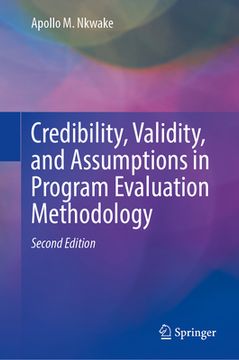
This book focuses on methods of choice in program evaluation. Credible methods choice lies in the assumptions we make about the appropriateness and validity of selected methods and the validity of those assumptions. As evaluators make methodological decisions in various stages of the evaluation process, a number of validity questions arise. Yet unexamined assumptions are a risk to useful evaluation. The first edition of this book discussed the formulation of credible methodological arguments and methods of examining validity assumptions. However, previous publications suggest advantages and disadvantages of using various methods and when to use them. Instead, this book analyzes assumptions underlying actual methodological choices in evaluation studies and how these influence evaluation quality. This analysis is the basis of suggested tools. The second edition extends the review of methodological assumptions to the evaluation of humanitarian assistance. While evaluators of humanitarian action apply conventional research methods and standards, they have to adapt these methods to the challenges and constraints of crisis contexts. For example, the urgency and chaos of humanitarian emergencies makes it hard to obtain program documentation; objectives may be unclear, and early plans may quickly become outdated as the context changes or is clarified. The lack of up-to-date baseline data is not uncommon. Neither is staff turnover. Differences in perspective may intensify and undermine trust. The deviation from ideal circumstances challenges evaluation and calls for methodological innovation. And how do evaluators work with assumptions in non-ideal settings? What tools are most relevant and effective? This revised edition reviews major evaluations of humanitarian action and discusses strategies for working with evaluation assumptions in crises and stable program settings.
- 0% (0)
- 0% (0)
- 0% (0)
- 0% (0)
- 0% (0)
Todos los libros de nuestro catálogo son Originales.
El libro está escrito en Inglés.
La encuadernación de esta edición es Tapa Dura.
✓ Producto agregado correctamente al carro, Ir a Pagar.